

Description
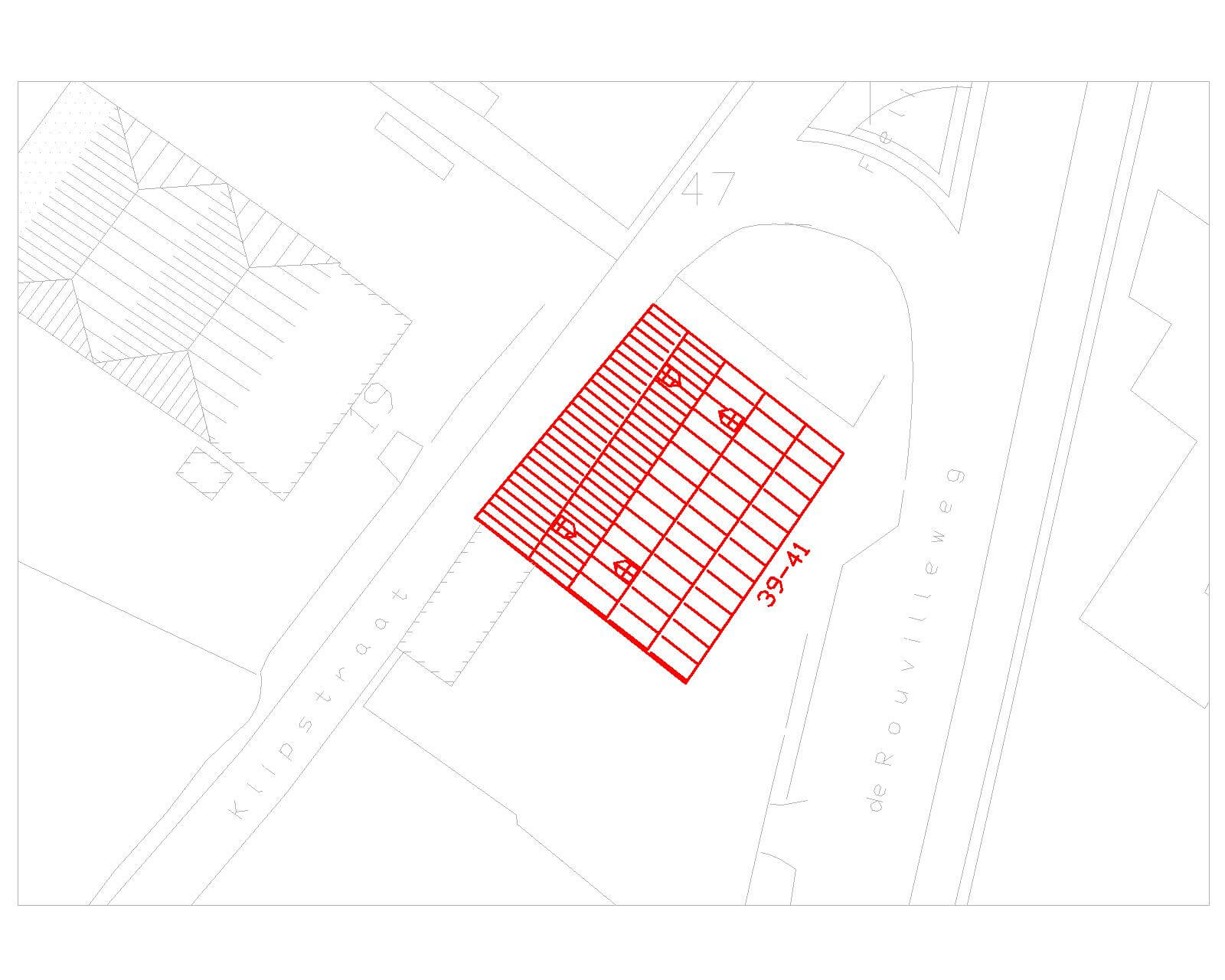
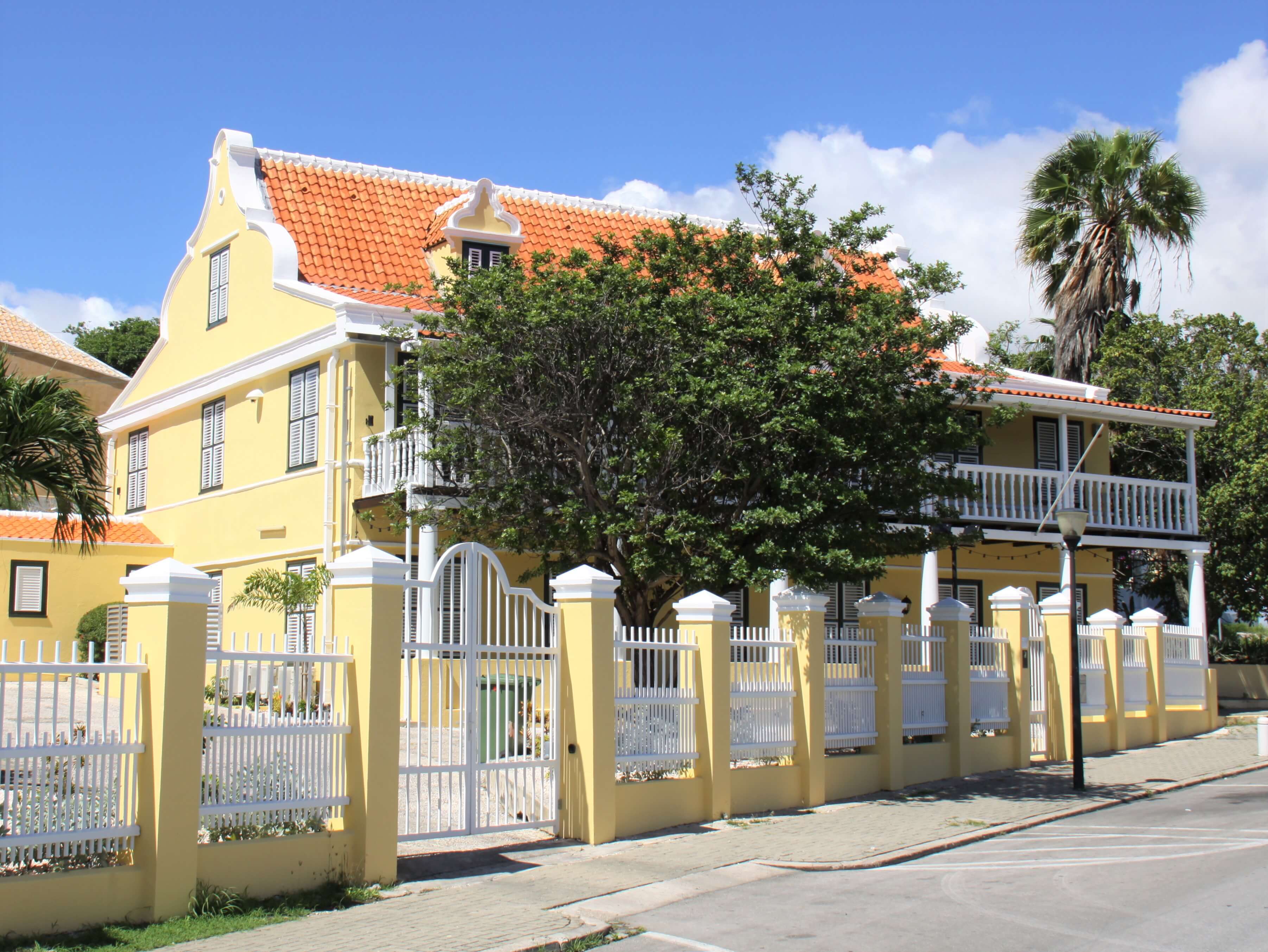
This 18th–century mansion is depicted on a map of the city from 1754. By the 19th century, it belonged to Anthony Matthey, who also owned the adjacent wharf, still bearing his name today. After his passing, both the wharf and this residence were transferred to a trading company, which later became the Curaçao Trading Company. The house was rented out for a long time, including to harbor master Hellmund. In 1945, the company sold part of the property to the government for the construction of De Rouvilleweg, resulting in the demolition of several buildings on the site. Fortunately, #39-41 was spared from this fate.
In 1979, Stichting Monumentenzorg Curaçao purchased and restored the property. Subsequent extensive restorations were undertaken in 1993. Over the years, the building has housed various Dutch governmental organizations and is currently occupied by the College van Financieel Toezicht (Board of Financial Supervision).
Name of property:
None
Characteristics:
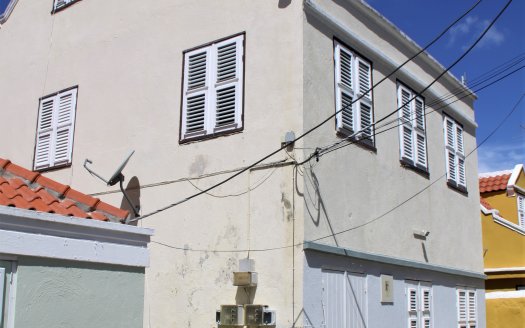
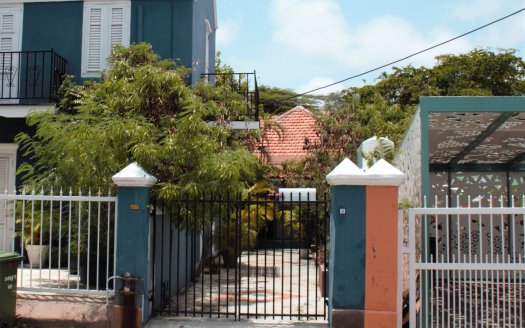
Detached two-story structure with ridge parallel to the street. Gable roof over the core area and adjoining slant roofs over the front and rear gallery. Inward and outward curved gables and profiled moldings. Ditto for dormers. Covered two-story balcony structure over full frontage of front façade.
Monument value:
Architectural historical and esthetical value because of a.o. the inward and outward curved gables with profiled moldings and ditto dormers. Architectural historical and cultural-historical value because of the floor plan typical of Curaçao. Specific value as part of a protected monumental townscape and because of the prominent situation facing Sint Annabaai.
Construction period:
18th Century
REGISTER OF LISTED HERITAGE
READ MORE