

Description
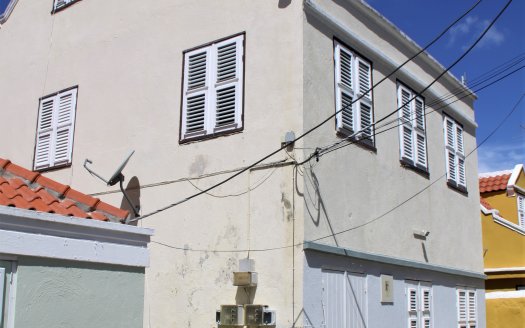
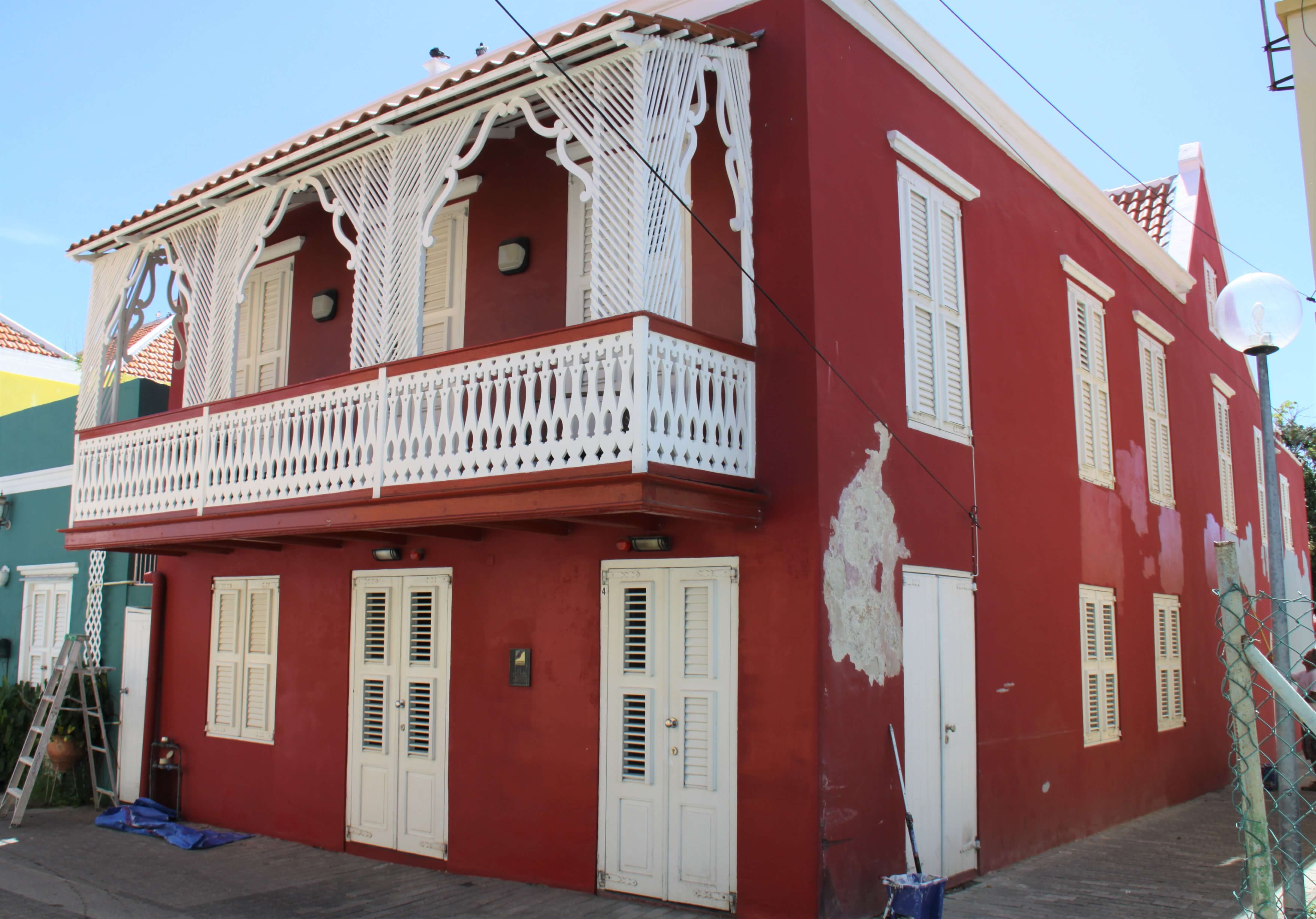
This remarkable monument comprises two properties that were merged towards the end of the 19th century. The rear building, constructed around 1850 by Gerard Marten Daal, displays all the characteristics of the architectural style of that era.
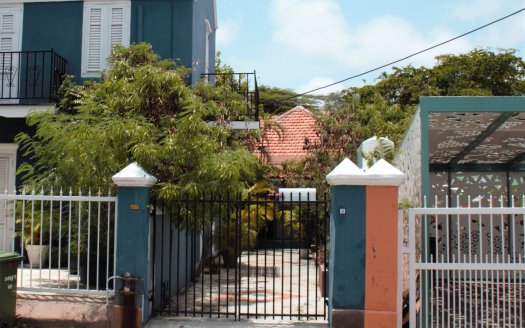
The front portion, featuring a balcony with elaborate wooden trimming, was constructed after Nicolina Paulina Job, a seamstress by profession, acquired the two properties in the 1890s. The fancy woodwork adorning the front, commonly referred to as gingerbread, gained popularity following an invention in the US around 1900 that enabled mechanized production. This style became particularly popular in the Windward Islands and was introduced to Curaçao in the early 20th century.
In 2000, Stichting Monumentenzorg Curaçao purchased and restored the building.
Name of property:
None
Characteristics:
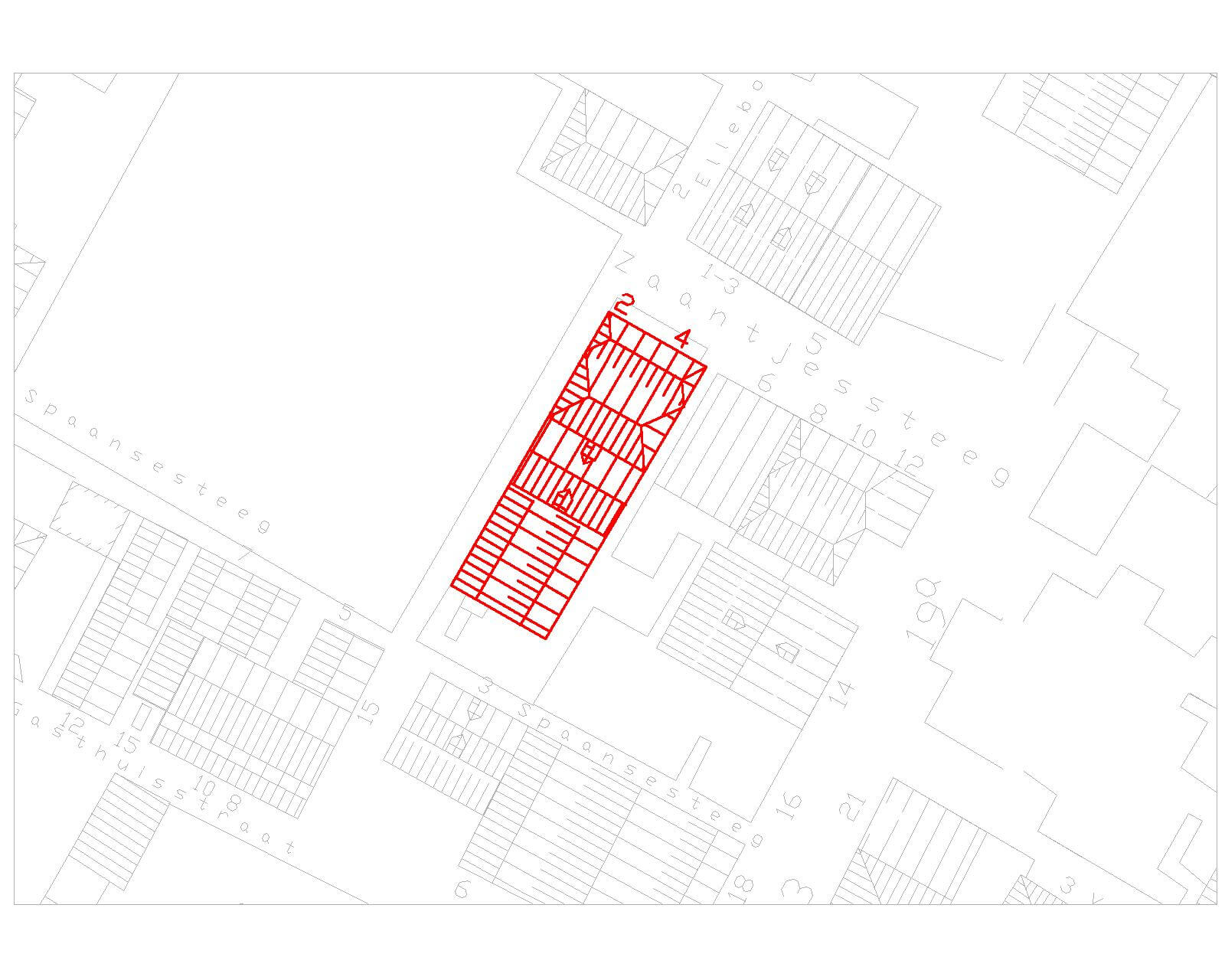
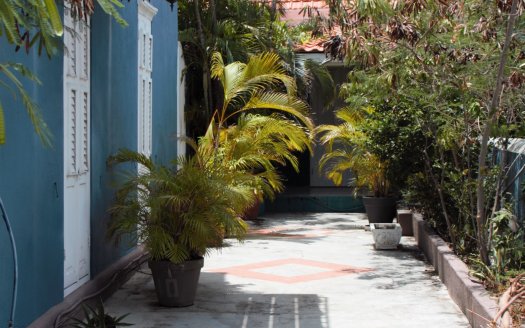
A detached two-story structure with a composite floor plan, on three sides surrounded by alleys. The rectangular floor plan successively covered with two parallel hipped roofs, a gable roof with dormers and a rear gallery, and two transverse gable roofs. Gable roof with funnel-shaped gables and triangular top end. Full-frontage wooden balcony over front façade covered with lean-to roof. The balustrade of wooden fretwork and splendidly decorated upper section. There is a rear fence with two firm gates with clamped doors.
Monument value:
Architectural historical value because of a.o. the complicated assembly of structures reflecting the complex building history. Architectural historical and esthetical value because of a.o. the characteristic wooden balcony. Specific value as part of a protected monumental townscape.
Construction period:
Not listed in Register of Monuments
REGISTER OF LISTED HERITAGE
READ MORE